
Gerald Rogers at AUREA: What If Every Fear You Have Is a Hypnosis
Gerald Rogers, stage hypnotist and self-described master breakthrough alchemist, runs a full hypnosis show at AUREA II, using a pink teddy bear, a refused hundred dollar bill, and a terrified public speaker to argue that fear is programming you can rewrite.
Late in the night, Gerald Rogers held a real hundred dollar bill out to a hypnotized volunteer named Paul and offered it to him, twice. Paul refused it, because he had been given a suggestion that anything in the hypnotist's hand was repulsive. Another volunteer stood up, took money without hesitation, and announced that she was a money magnet. Same room, same bill, two beliefs.
Rogers is a stage hypnotist who introduced himself at AUREA II with a bigger claim than the job title. "I'm not just an ordinary hypnotist," he told the room. "I am a master breakthrough alchemist." What followed was a full hypnosis show, with bodybuilders and belly dancers and an Elvis, wrapped around a serious argument about where your limits actually live.
Why Gerald Rogers says you have already been hypnotized
His opening claim to the audience was that hypnosis is not something he was about to do to them for the first time. "You've been hypnotized since the time you were born," he said. Hypnotized to believe certain things are true, certain things are not, and certain things are beyond you.
He walked the room through the brain wave states to make the mechanism concrete. Beta is the thinking, analyzing, conscious state. Alpha comes as you relax. Below alpha is theta, the trance state, and theta is where suggestion lands. You pass through it every night falling asleep and every morning waking up. You also enter it, in his account, sitting in front of a television, and when someone with authority or influence tells you something is true. In theta you absorb the claim without auditing it.
He named three ways the mind processes information: the conscious mind, which is busy deciding whether any of this will work for you; the subconscious, which he described as noncritical and simply accepting of suggestion; and the superconscious, which he framed as the highest self. His framing for the night was sovereignty. Reclaiming your mind means releasing programming that other people installed and that never deserved the keys.
The only two things required to be hypnotized
Rogers gave the audience a short answer to the most common question he gets. You need to be able to relax, and you need to be able to concentrate. That is the whole list. "If you have a brain, you can be hypnotized."
He then ran the room through two tests before choosing anyone. In the first, everyone let one wrist go limp "as though it were made from a handful of loose rubber bands," swung the hand back and forth for relaxation, then moved their knees up and down at the same time for concentration. In the second, he had everyone clasp their hands, separate the two index fingers by an inch, and imagine a magnet drawing them together. Fingers closed across the room. Then he sealed the clasped hands shut and told them that the harder they tried to open them, the tighter they would become.
The principle underneath both tests is the one he calls a law of the subconscious: "the mind cannot distinguish between that which is vividly imagined and that which is real." He turned it straight back on the audience. If that is true, what happens when you go into your mind and deliberately rehearse the business already launched, the abundance already arrived, the relationships already built? His claim is that identity follows the rehearsal, and reality follows identity.
What a pink teddy bear demonstrated about fear
Rogers suggested to nine volunteers that they were terribly afraid of pink teddy bears, produced one, and watched grown adults scream and back away from a stuffed animal. Then he reversed the suggestion, and the same object became the most loving thing in the room, with volunteers holding it and putting their arms around each other.
He let the audience finish laughing before he made the point. "Isn't it just as ridiculous, some of the things you're afraid of?" Afraid to reach out to a stranger. Afraid to make a phone call. Afraid to start the business. Then came the question that reframed the whole show: "What if all fear was simply a form of hypnosis?"
He extended it to excitement, arguing that fear and excitement are the same mechanism pointed in opposite directions. Fear is a mind convinced something bad is coming. Excitement is a mind convinced something good is coming. Neither has happened yet. His question to the room was what would change in a life if you could work that switch on purpose.
What happened when a nervous speaker gave her message twice
The sharpest demonstration of the night involved no props. Rogers asked whether anyone on stage carried a fear of public speaking, and a woman stood up. Asked how it felt, she said there was an intensity inside that made her want to cry, and that sharing her heart made her want to cry.
He gave her thirty seconds to say whatever her message was, while feeling the fear. She got it out. It was about creativity belonging to everyone, and about leaning toward the things that make you uncomfortable.
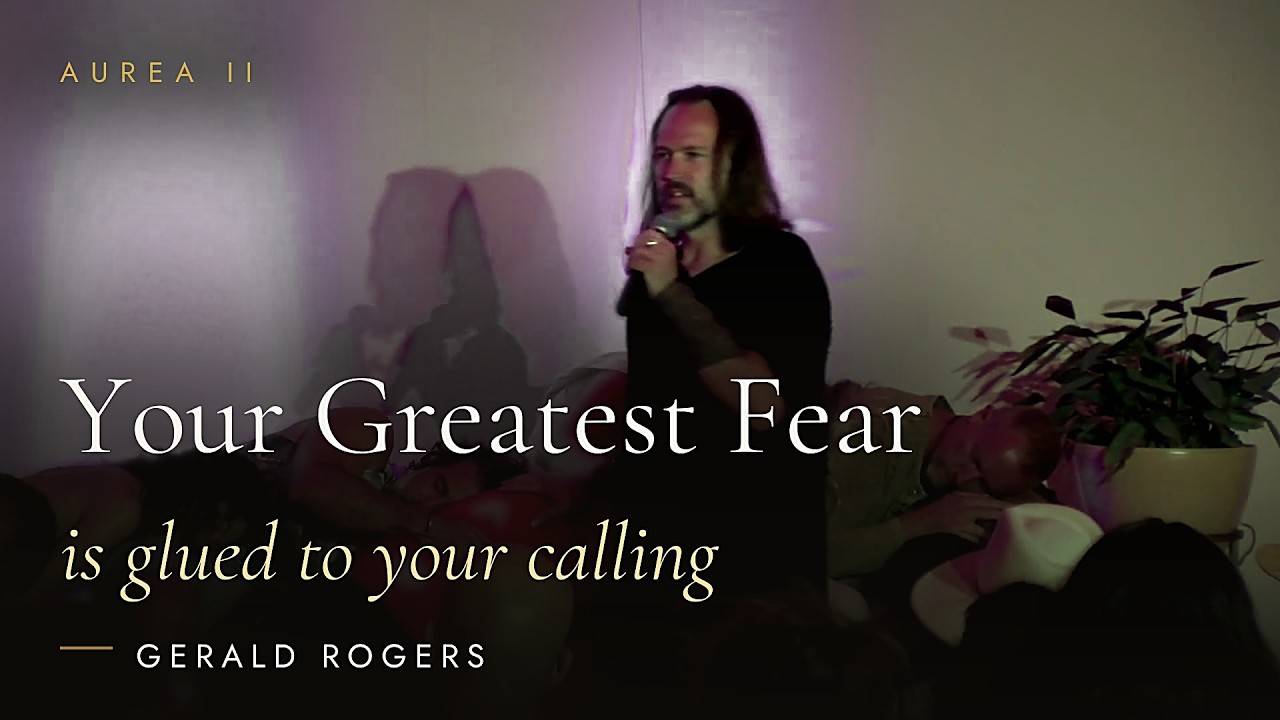
Then he put her under, suggested that she was the most confident speaker in the world, and asked for the same message again. The second version arrived without a hitch in it: inspiration is everywhere, in ordinary life, in the faces you pass, in the people you talk to, and when you find the thing that makes your heart burst, you take that and you move with it. Rogers had made a point earlier in the evening that landed here. "Often times our greatest fears are also glued to what our greatest calling is." He noted that fear of public speaking is routinely named the biggest fear on the planet, and asked the room to consider what the world loses when someone with that much to say will not say it.
How he moved nine volunteers from sadness to joy in a few minutes
Rogers ran a guided emotional sequence with the volunteers, moving them deliberately through one state at a time and asking them to make the sound of each one. Sadness first, located in the body, expressed out loud, then released. Anger and rage next, same process. Then peace, then love and gratitude, then joy, then a wave of intense pleasure that had the whole room laughing.
His instruction while they worked was to stop narrating and start feeling. "The more you feel, the quicker you heal." His claim is that stuck emotion is emotion that was never allowed to move, and that expression is what moves it. He asked the audience to watch how fast a person can travel from grief to gratitude when the story about the grief is set down.
During the love section he tied it to the room and to the theme of the weekend, telling the volunteers to feel the whole gathering sending love to them, and to receive it.
What a refused hundred dollar bill showed about beliefs around money
Two volunteers were given opposite suggestions. One was told that anything in the hypnotist's hand was disgusting. The other was told she was a money magnet who would gratefully receive whatever came. When Rogers offered a genuine hundred dollar bill, the first man turned it down while the second woman claimed it and thanked him.
The lesson Rogers drew is that a belief about money operates as a filter on what you are able to accept. If some part of you has decided money is bad, you will push it away even when it is being physically handed to you, and you will find a reason that feels entirely rational at the time.
He grounded it in his own numbers. Money was always a struggle for him before he began this work. Roughly six months into deliberately reprogramming his mind, he says he made over a hundred thousand dollars in a single weekend, more than he had previously made in a full year.
Why Gerald Rogers started studying the mind in the first place
He was not looking for a stage career. He was in a real estate business that was not working, a relationship that was strained, and a body he had given up on. He described sitting at a playground watching his four young kids play and getting tired just watching them, and deciding that was not the father he wanted to be.
The problem he could not solve was the gap between knowing and doing. He went to the seminars. He read the books. "I knew what to do. I just couldn't get myself to do what I knew." His image for it is the one most of the room recognized: "I felt like I was in a car and I had my foot on the gas, and at the same time I didn't realize the emergency brake was on."
The first hypnosis show he ever saw left him with a question rather than a punchline. If that is possible, what else is possible. He committed to studying the mind, and reports that what followed felt like a miracle: he ran his first marathon, which he says was a change in his mind before it was a change in his body, and the terror of speaking in public that once made his knees shake and his voice quiver turned into his calling.
The final demonstration was physical. Rogers hypnotized a volunteer named Jasmine to believe her body was stiff and rigid as a steel bar, suspended her between two supports, took off his shoes, and stood on top of her while the room stayed silent. When he brought her back he gave her one suggestion to keep: that she would always remember she can accomplish anything she puts her mind to.
He closed by bringing all the volunteers up and counting them out of trance with an anchor built in. On five they would rise, stretch out their arms, open their eyes, and say the word power, so that the word itself would carry the state back to them later. Into that count he folded the language of the weekend: that they could live their golden life, and that the golden path is waiting on the choice to walk it.
His last line to the room was the one he wants people to leave with. You have one life to live, so make it legendary. He also thanked the event's hosts, Jackson and Jeff, for the months of work behind the gathering.
Watch the full talk above.
Frequently asked questions
Can anyone be hypnotized?
Gerald Rogers says yes, and reduces the requirements to two: you have to be able to relax and you have to be able to concentrate. His line to the audience was that if you have a brain, you can be hypnotized. He also stresses consent, telling the AUREA II room that he would not hypnotize anyone against their will and that every person on stage always retains a choice.
What does Gerald Rogers mean when he says fear is a form of hypnosis?
After suggesting to nine volunteers that they were terrified of a pink teddy bear, he asked the audience whether their own fears were any less arbitrary: fear of calling a stranger, fear of starting a business, fear of speaking up. His argument is that fear is a mind convinced something bad is coming, and excitement is a mind convinced something good is coming, with neither event having happened yet.
What are the brain wave states he described?
Beta is the alert, thinking, analyzing state of the conscious mind. Alpha comes as you relax. Theta, below alpha, is the trance state where suggestion is absorbed without being questioned. Rogers pointed out that you pass through theta every night falling asleep and every morning waking, and that you also drop into it watching television or listening to someone whose authority you accept.
What happened in the public speaking demonstration?
A volunteer who said the thought of speaking made her want to cry was asked to share her message for thirty seconds while feeling the fear. She managed it. Rogers then hypnotized her to be the most confident speaker in the world and asked for the same message again. The second delivery was fluent and unhesitating, which was his evidence that the material was never missing, only the state.
Is this a hypnosis show or a talk about the mind?
Both, deliberately. The recording is a full stage hypnosis show, complete with a bodybuilding contest, belly dancing, an Elvis, an imaginary apple, and a volunteer held rigid as a steel bar while Rogers stands on her. Between the routines he stops and teaches, using each one to make a point about suggestion, fear, emotion, and money. Expect an hour of laughing with an argument running underneath it.
Back to Wisdom