
What Is Breathwork, and Is It Safe?
Breathwork means changing how you breathe on purpose. Here is what a session feels like, who should skip the strong kind, and how to choose a guide.
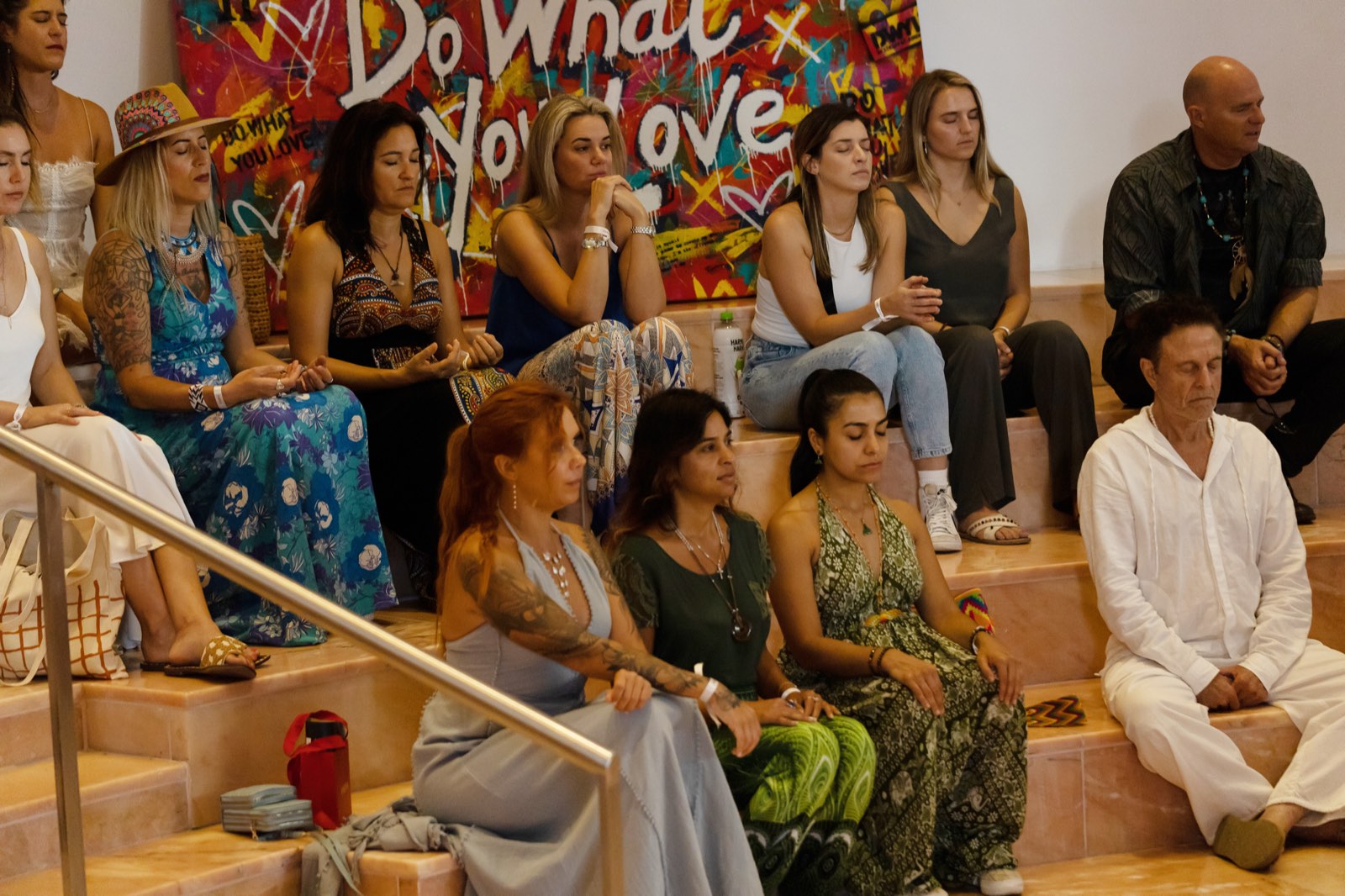
Breathwork is any practice where you change the way you breathe on purpose, to change how you feel. Gentle breathwork, like slow breathing or a few long sighs, is safe for almost everyone. Strong, fast breathwork is safe for most healthy adults with a trained guide, but it is not right for people who are pregnant or who have epilepsy, heart problems, very high blood pressure, or a history of psychosis.
Here is what breathwork is, what a session feels like, and how to know if it is a good fit for you.
What is breathwork?
Breathwork is the name for many different breathing practices that use the breath on purpose. Some are calm and slow. Some are fast and strong. All of them work with the one part of your nervous system you can steer by choice: your breathing.
Most kinds fit into two groups.
Calming breathwork slows you down. Examples are box breathing (in for four counts, hold for four, out for four, hold for four) and the "physiological sigh," a double breath in through the nose followed by a long breath out. A 2023 Stanford study found that five minutes a day of slow sighing lifted people's mood more than the same time spent in mindfulness meditation.
Active breathwork speeds you up. You breathe deeper and faster than normal for twenty minutes to an hour, often lying down, often with music. Holotropic breathwork and conscious connected breathing are two well-known styles. This kind can bring up strong emotions, tingling, and vivid memories.
What does a breathwork session feel like?
A breathwork session usually starts strange and ends calm. A guide explains the breathing pattern, you practice it for a minute, and then you keep going while the guide talks you through it.
In an active session, many people feel tingling in their hands or face after a few minutes. Some feel their hands tighten or curl. That comes from breathing off more carbon dioxide than usual. It passes when you slow down. Some people cry. Some laugh. Some feel nothing much and simply relax. All of those are normal.
"To shut down the breath is to shut down feeling. It's to shut down our emotionality. It's to shut down the full spectrum of what it means to be alive as a human."
— Kaya Leigh, Founder, Sacred Breath Academy · AUREA II · Miami 2023
The end of a session is usually quiet. You lie still and breathe normally for a few minutes. Many people say they feel lighter, clearer, or more open with the people around them.
We walk through what this is like at a three-day gathering in Your First Transformational Retreat: What to Expect, Day by Day.
Is breathwork safe?
Breathwork is safe for most people when it fits their health and a trained person leads it. The calm kinds carry very little risk. The fast, strong kinds put real stress on the body for a short time, so they need more care.
Skip active breathwork, or talk to your doctor first, if any of these apply to you:
- You are pregnant.
- You have epilepsy or have ever had a seizure.
- You have heart disease, a heart rhythm problem, or very high blood pressure.
- You have had a stroke, an aneurysm, or recent surgery.
- You have glaucoma or a detached retina.
- You have a history of psychosis, bipolar disorder, or severe trauma that is not yet well supported.
Two simple rules keep almost everyone safe. Never do breathwork in water, in a bath, or while driving. And you can always slow down or stop. A good guide will say this out loud at the start, and mean it.
How do you choose a good breathwork facilitator?
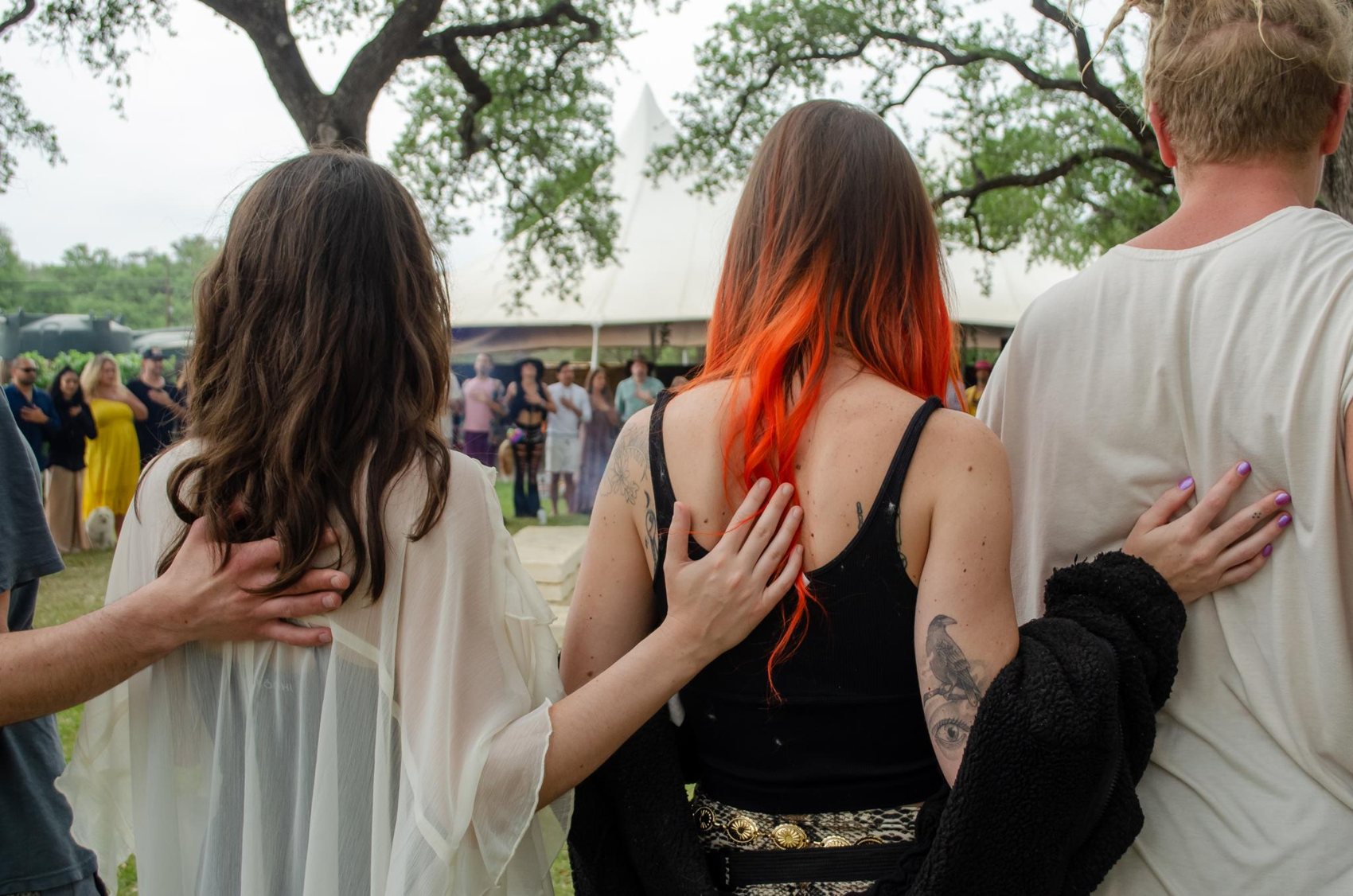
A good breathwork facilitator asks about your health before you start, explains what you might feel, and tells you that stopping is fine. If someone skips all three, find someone else.
Other good signs:
- They have trained in a known method and can tell you where.
- There are helpers in the room for a large group, so no one is left alone if they get upset.
- They leave time at the end to rest and talk, instead of rushing everyone out the door.
- They do not promise to cure illness or trauma in one session.
Why do retreats start with breathwork?
Many retreats start with breathwork because it helps people arrive. Most guests walk in with a busy mind and a phone full of work. Twenty minutes of guided breathing slows the body down faster than talking can. After that, people listen better and open up to strangers more easily.
At AUREA IV: The Next Renaissance, breathwork comes before any talk. The gathering is March 26 to 28, 2027, in Elgin, Texas, about 35 minutes east of Austin. Each day starts with the body, the speakers stay on the land all weekend, and every night ends in ceremony, music, and dance. You can sit out any practice. See the full weekend at aurealeaders.com/2027.
Common questions
Can breathwork make you pass out?
It can, rarely, in strong fast-breathing styles. That is why active breathwork is done lying down or sitting with support. If you feel faint, slow your breath to normal and it will pass.
Why do my hands tingle during breathwork?
Fast breathing lowers the carbon dioxide in your blood for a short time. That can cause tingling or tight hands. It is common and goes away within minutes once you breathe normally.
How often should you do breathwork?
Calm breathing, like a few slow sighs, is fine every day. Strong, active sessions are usually done less often, like once a week or at special events, with rest after.
Is breathwork the same as meditation?
No. Meditation usually lets the breath be. Breathwork changes the breath on purpose. Many people use both, often a few minutes of breathwork to settle down before they meditate.
Do I need experience to try breathwork at a retreat?
No. A good guide teaches the pattern first, and most people at a retreat are trying it for the first time or close to it.
Back to Wisdom